Document-heavy work
Invoice and document reconciliation
Use the documents, records, and review rules your team already has to reconcile routine work and surface only the exceptions.
Custom AI systems
AI Integrations scopes custom AI around the bottleneck first: the task, data, systems, and ROI target that determine whether automation is worth building.
Best fit
Fit
multi-system
Work
internal ops
Starts
$10,000+
When custom work is justified
This path is for businesses with operational bottlenecks that need custom logic, controlled rollout, and systems work tied to a measurable outcome.
01
Start with the task that steals time: support emails, scheduling, onboarding, inventory checks, document review, or reporting.
02
A useful AI system needs the same data a person would need, plus a clear answer for where that data lives and how it should be protected.
03
Custom work should not automate a small problem with a large build. The target outcome needs real savings, revenue impact, or risk reduction.
AI integration services
Start by proving the bottleneck can be automated, then connect the workflow into the systems, data, and review paths that make the result useful in the real business.
Useful AI is a balance of model choice, compute, and business data. The right system needs access to the same context a person would need, with the right security boundary around it.
The right implementation may start as a quick test, a custom internal tool, or a deeper systems build. The point is to start small, measure ROI, tune after real use, and scale only once the workflow is working.
Map the workflow, users, data sources, decision points, and measurable business outcome before choosing a model or interface.
Define what data the system needs, where it lives, how it changes, and whether it belongs in cloud, local, or tighter custom infrastructure.
Test the workflow with a lean proof of concept before committing to a larger build, so the business case leads the engineering scope.
Build the workflow, internal UI, integrations, review queues, reporting, and maintenance plan around the process that needs to improve.
Use cases
Think back-office operations, internal tools, data-heavy workflows, and multi-system handoffs where the business still loses time every week.
High-value pattern
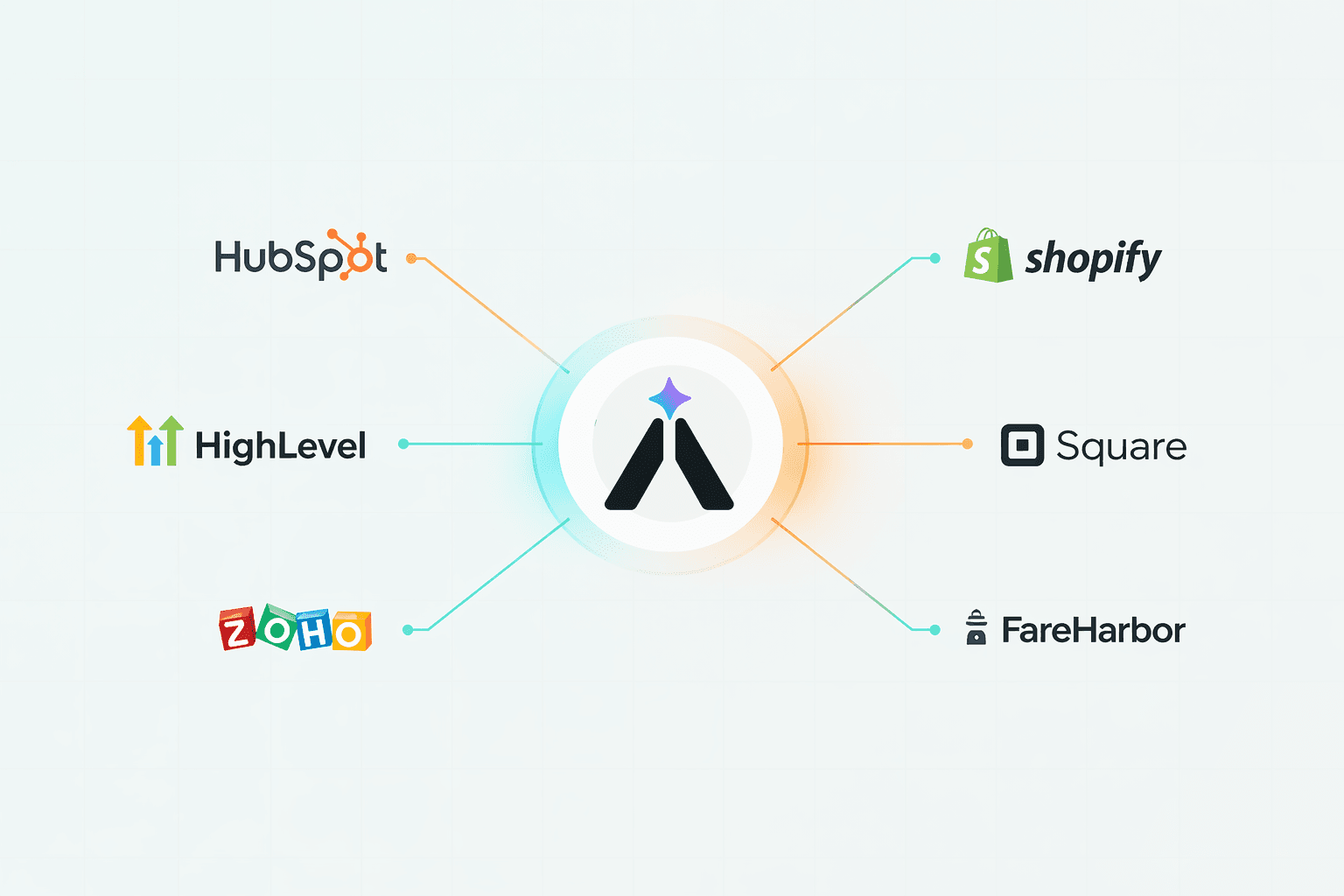
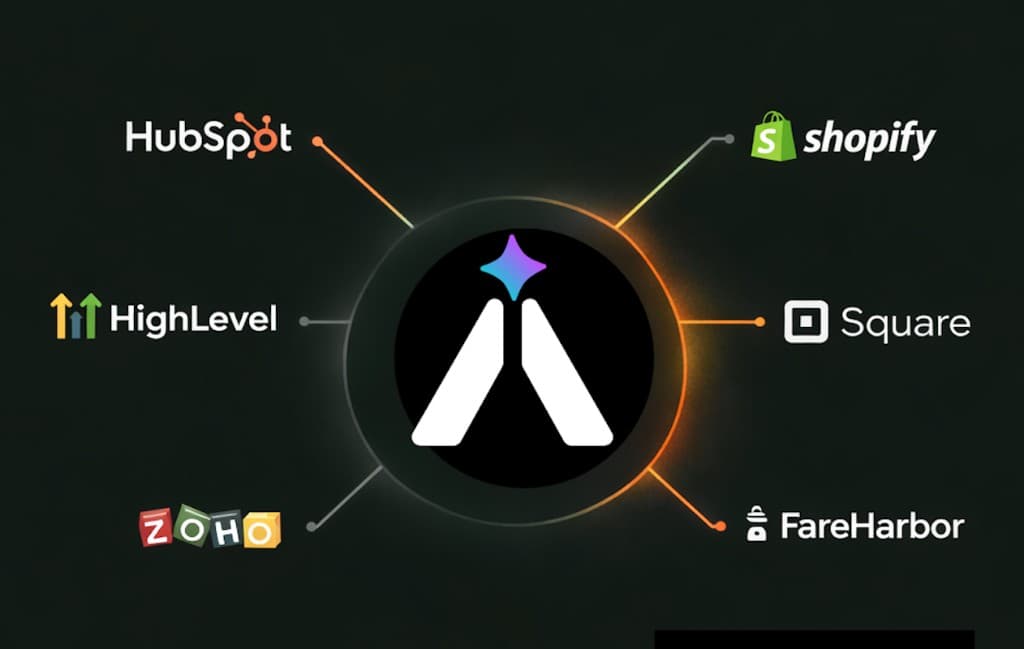
The data might live in Shopify, Google Drive, accounting files, CRM records, documents, or internal wikis. The system is designed around what the work actually needs, how that data is accessed, and where it should be stored.
Document-heavy work
Use the documents, records, and review rules your team already has to reconcile routine work and surface only the exceptions.
Sales operations
Turn inquiries into structured follow-up by enriching records, assigning owners, and moving the right context into the sales path.
Team enablement
Let employees ask questions against your SOPs, policies, files, and business rules without sending sensitive knowledge to the wrong place.
Recurring visibility
Combine the right model, compute, and business data so recurring reports, forecasts, and action queues stop being manual rebuilds.
Workflow narrative
The goal is not to throw the largest model at the problem. The goal is an efficient system that has the right context, uses the right infrastructure, and knows when a person should review the result.
Input
Websites, documents, POS data, CRM records, spreadsheets, policies, and internal knowledge become the operating context.
AI system
The build can classify, reconcile, summarize, forecast, route, draft, or answer questions using the right level of infrastructure.
Review
Exceptions, approvals, sensitive decisions, and edge cases are surfaced clearly instead of disappearing into a black box.
Output
Records update, reports generate, owners get assigned, follow-up queues appear, and the system keeps improving from real use.
How engagements work
Custom AI should feel clear before build starts: what workflow is changing, what systems are involved, and what success looks like.
We start with the repeated task, broken handoff, or operational drag that is worth automating.
Before a full build, we look for early proof that AI can perform the work with your real business context.
We do not want to automate a small problem with a large system. The value has to justify the implementation.
The first real-world usage window creates the best feedback, so the system needs review, tuning, and ongoing maintenance after launch.
Once one workflow is producing value, we look for adjacent handoffs or another vertical inside the business where the same pattern can repeat.
Scoping model
The first consultation is free. We use it to walk through the bottleneck, the data needed to perform the job, the ROI case, and the safest path to test before a larger build.
Customer results
These reviews speak to custom delivery, execution speed, and business process improvement.
“AI Integrations is simply the best! AiVA is top-notch, taking our website to the next level. The team is incredibly professional and responsive, and their pricing is unbeatable. If you want to automate your customer service and elevate your site, don't hesitate—AI Integrations is the way to go!”
“AI Integrations delivered exceptional work on a tight deadline! Their professionalism and attention to detail were outstanding, and the results exceeded my expectations. If you need a team that can deliver high-quality work quickly without compromising on quality, AI Integrations is the way to go!”
“Our team can’t say enough good things about AI Integrations! Their AI solution has saved us more than 10 hours every week by automatically organizing and reconciling invoices. It’s been a huge help, and we recommend AI Integrations to anyone looking to streamline their operations.”
FAQ
Short answers for the commercial and technical questions people usually ask before they scope a custom AI system.
Custom AI development can include workflow mapping, data pipeline design, model selection, internal tools, custom interfaces, integrations, reporting, review queues, local or cloud deployment, and post-launch tuning.
Next step
Start with the repeated task, broken handoff, or operational bottleneck that is costing the most time. If custom delivery is the right fit, we will scope it properly. If not, we will say so.